An investigation by the University of Minho (UMinho), the University of Coimbra (UC) and the Barcelos hospital shows that people with eye diseases that report good social support have lower levels of anxiety and depression.
The study, conducted at UMinho, involved people diagnosed with diabetic retinopathy or age-related macular degeneration, two of the main causes of blindness in adults. To the surprise of the investigators, social support revealed itself to be the most important factor in mental health of these patients, rather than the amount of vision preserved.
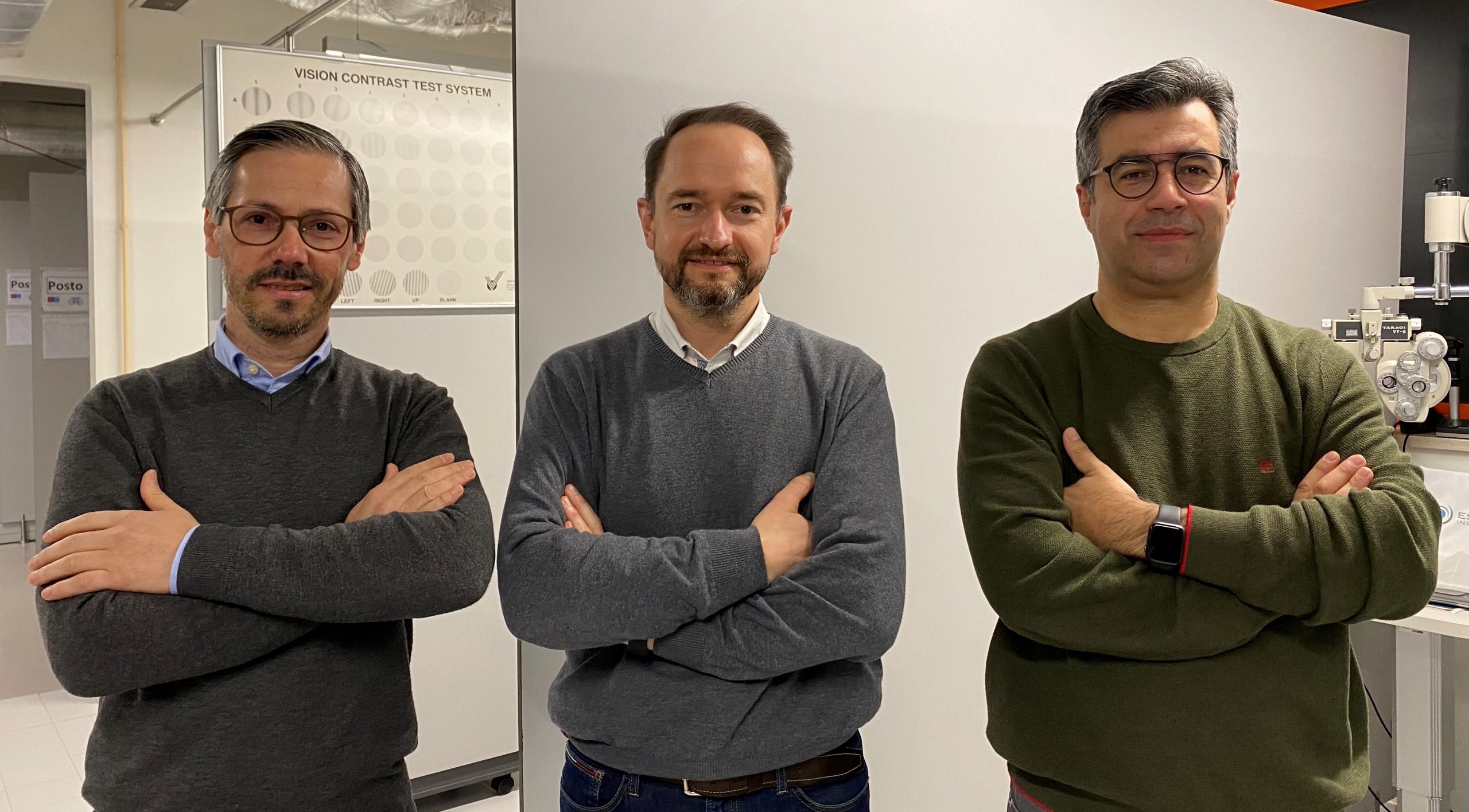
“The results are innovative because they show that the risk of psychiatric problems exists in eye diseases, despite the fact that patients have sufficient vision to independently perform daily life tasks, such as driving the car,” says the coordinator of the study, António Filipe Macedo (in the image), from the Physics Centre of the School of Sciences of UMinho and Linnaeus University in Sweden.
The scientists believe that these results could explain low levels of psychological resilience. Meaning that, patients with better social support have a higher capacity to cope with negative events linked to their disease. António Filipe Macedo says that “these people are more likely to be more confident about how to cope with problems caused by the possible evolution of the disease.” Interestingly, the research was done before the pandemic, in which there has been much talk of social support in the face of isolation.
The study is now published in the scientific magazine Clinical Rehabilitation, opening doors for new ways to prevent physiological problems linked with diagnoses of diabetic retinopathy or age-related macular degeneration.
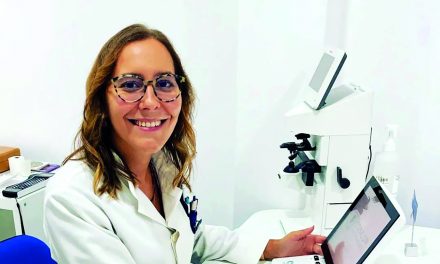
This work also involved Laura Moreno (in the image), PhD student in Optometry and Vision Sciences at UMinho, the psychologist Hugo Senra and the ophthalmologist Natacha Moreno and was supported by the Foundation for Science and Technology.